








30 million tons of plastic end up in the oceans
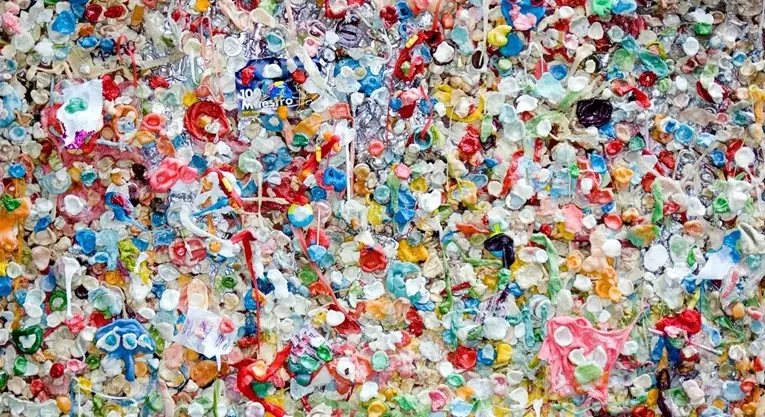
ANNUALLY, 460 million tons of plastic are produced in the world, this number has doubled in ten years and shows no decreasing trend, France24 reports data from the Organization for Economic Cooperation and Development (OECD), on the occasion of the UN's World Environment Day, which is celebrated on Monday. .
From 2000 to 2019, that number more than doubled and there are no signs of production falling, so if no action is taken, global production will nearly triple by 2060, reaching 1,231 million tons of plastic.
In 2019, 353 million tons of plastic waste were produced in the world
According to the OECD, five years is the maximum lifespan of nearly two-thirds of the plastic produced each year. Predominantly used for packaging food (31 percent) and textiles and consumer goods (20 percent), this plastic often ends up as waste after one or only a few uses.
In 2019, 353 million tons of plastic waste were produced worldwide. The share of waste varies dramatica lly across countries and groups: 21 percent comes from the United States and 28 percent comes from other OECD countries, while 19 percent comes from China and 5 percent from India. The remaining 27 percent come from the rest of the world.
Plastic in the ocean
In the aquatic environment, 139 million tons of plastic waste accumulated between 1970 and 2019, according to the OECD, of which 109 million tons in rivers and lakes and 30 million tons in the oceans. It is estimated that every minute, plastic equivalent to the volume of a garbage truck ends up in the ocean.
100,000 marine mammals die each year from ingesting or becoming entangled in plastic, according to various studies. In addition to nets and plastic bags, the ocean teems with microplastics—tiny pieces less than 5mm in diameter that result from decomposing bags, bottles, tires, cigarette butts, clothing fibers and more.
Blue whales ingest 10 million pieces of microplastic per day, according to a study published in Nature in 2022. People ingest five grams of plastic every week, the equivalent of a credit card, according to an Australian study published in 2019.
Source: index.hr web - June 5, 2023.
https://www.index.hr/vijesti/clanak/u-svijetu-se-godisnje-proizvede-460-milijuna-tona-plastike/2468885.aspx